
Follow us:


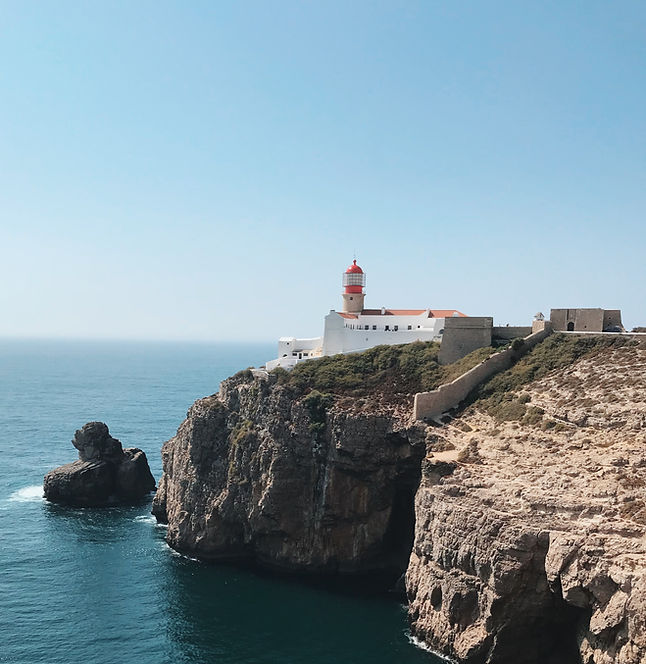
Surfing in Sagres:
Two Coasts, Endless Waves
Sagres sits at the southwestern tip of Europe with a unique advantage: two coastlines facing different directions, delivering surfable waves every day of the year. When one coast shuts down, the other opens up. Over a dozen breaks between Sagres and Lagos, year-round sunshine, and a wild Natural Park coastline with no concrete in sight.
⭐⭐⭐⭐⭐ 4.8/5 · 2,847 travelers
Why Sagres for Surfing?
Most surf destinations give you one coastline and hope for the best. Sagres gives you two. The headland faces the Atlantic on two sides: a wild, exposed west coast with powerful swells and towering cliffs, and a sheltered south coast where the same energy arrives filtered, softer, and often offshore when the other side is blown out.
This is not a marketing claim. It is the single most important fact about surfing in Sagres: when conditions shut down one coast, the other one opens up. The same onshore wind that ruins the west coast becomes a clean offshore on the south. A massive northwest swell that closes out Cordoama wraps around Cape St. Vincent and arrives at Mareta or Zavial as a manageable, fun wave. The result is a consistency that Ericeira and Peniche, for all their world-class breaks, simply cannot match.
Add to this a climate that delivers sunshine 300 days a year, a wild coastline inside the Costa Vicentina Natural Park with no development in sight, and over a dozen breaks spread between Sagres and Lagos, and you have one of the most complete surf destinations in Europe for beginners, intermediates and experienced surfers alike.
The Two-Coast Advantage

Understanding the two-coast dynamic is the key to surfing Sagres. Here is how it works:
West Coast ("Norte" for locals)
The west coast faces the open Atlantic and receives the dominant northwest swells head-on. Beaches like Cordoama, Castelejo and Ponta Ruiva are exposed, powerful and consistent. This coast works best with east, southeast or south winds, which blow offshore and clean up the faces. Spring, autumn and winter deliver the most consistent waves. In summer, the swell drops and the wind tends to blow onshore from the northwest, making conditions less reliable.
South Coast
The south coast is sheltered behind Cape St. Vincent. It does not receive northwest swells directly. Instead, it picks up energy that wraps around the cape, arriving smaller and more manageable. Beaches like [Tonel], [Beliche], [Mareta] and [Zavial] come alive when the west coast is too big or too windy. South and southeast swells also hit this coast directly, creating a completely independent source of waves.
How the wind works between the two coasts
This is the part that makes Sagres unique. When a strong onshore wind blows from the northwest on the west coast, that same wind becomes an offshore on the south coast, cleaning up the waves and creating excellent conditions. The reverse also works: strong south winds that blow onshore on the south coast can create offshore conditions on the west coast. In rare, perfect conditions, both coasts fire at the same time: a large northwest swell provides powerful waves on the west coast for experienced surfers, while wrapping around the cape to deliver fun, smaller waves on the south coast for beginners and intermediates.
Surf Spot Guide
West Coast: Cordoama
[Cordoama] is the flagship of the west coast: a vast, powerful beach break backed by towering black schist cliffs. It works best with west and northwest swells, east, southeast or south winds, and handles all tides. The bottom is sandy in the middle of the beach but rockier on the left and right sides. Left and right-hand waves break across the sandbanks. Suitable for all levels when the swell is moderate, but when it gets big, Cordoama demands experience and respect.
-
Level - All levels (experienced when big)
-
Wave type - Beach break, left and right. Sand centre, rock sides.
-
Best swell - W, NW
-
Best wind - E, SE, S (offshore)
-
Tide - All tides
-
Season - Spring, autumn, winter. Summer inconsistent.
West Coast: Castelejo
Castelejo sits just south of Cordoama and catches similar conditions but is slightly more protected from the swell, making it a touch more manageable when the open coast is maxing out. A quality left-hander breaks off the rocks on the left side of the beach. The right side is rocky near the iconic Pedra da Laje sea stack. Be cautious of currents near the rocks on the left. There is a good restaurant with a terrace right on the beach, which is unusual for this stretch of coast.
-
Level - All levels (slightly more sheltered than Cordoama)
-
Wave type - Beach break + quality left off rocks on left side
-
Best swell - W, NW (slightly more protected than Cordoama)
-
Best wind - E, SE, S
-
Tide - All tides
-
Season - Currents near left-side rocks. Rocky bottom near Pedra da Laje on right.
West Coast: Ponta Ruiva
Ponta Ruiva is a remote, wild beach framed by striking red sandstone cliffs. Conditions are similar to Cordoama, but northwest swells arrive slightly smaller and more surfable here, making it a good alternative when Cordoama is too big. The cliff to the northwest shelters the beach from northwest winds. This is also the annual venue for the Portuguese National Longboard Championship, a testament to the quality and consistency of the waves.
Important: Park responsibly and never block access for emergency vehicles. Take all your rubbish with you. There is no large waste container. Respect the wild beach.
-
Level - All levels
-
Wave type - Beach break, left and right
-
Best swell - W, NW (smaller than Cordoama in NW swells)
-
Best wind - NW (cliff shelters beach), E, SE
-
Tide - All tides
-
Event - Portuguese National Longboard Championship (annual)
South Coast: Beliche
[Beliche] is wedged between 40-metre cliffs, creating a natural amphitheatre that shelters it from both northwest and west swells. This makes it one of the best winter surf beaches in the region, working when everywhere else is maxed out by large swells. The beach has a mixed sand and rock bottom.
The left-hander at Beliche is a world-class wave. When big winter swells hit, a powerful left breaks off the cliff on the left side of the beach. It is common to see the local bodyboarders charging this wave, and they deserve the respect. This is their corner. Let them shine. If you do not have the experience, watch from the cliff above. It is worth the trip just to see it.
Watch the tides carefully: at high tide, the sand can disappear on the right side of the beach.
-
Level - Intermediate to advanced. World-class left for experts.
-
Wave type - Beach break + world-class left off rocks. Mixed sand/rock bottom.
-
Best swell - Large W, SW (protected from NW and W)
-
Best wind - Protected from wind by cliffs
-
Season: Winter standout. Big swell season.
-
Respect: The left is the bodyboarders’ corner. Let them have it.
South Coast: Tonel
[Tonel] sits directly below the [Sagres Fortress], facing west but sheltered from northwest swells by the headland. When the west swell is clean and not too big, Tonel offers powerful, consistent waves over a rocky bottom. Both left and right-hand waves break here. This is Sagres’ signature surf beach, the one in every photograph, and several surf schools operate here year-round.
Rocky bottom throughout. Know where you are at all times. Respect the locals.
-
Level - All levels (rock bottom: beginners should take lessons)
-
Wave type - Left and right over rock bottom
-
Best swell - NE. Protected from NW, exposed to W.
-
Best wind - E, NE (offshore)
-
Tide - All tides
South Coast: Mareta
[Mareta] is Sagres’ town beach and the most sheltered surf option in the area. It takes a lot to get waves here: very large northwest swells or, more commonly, direct west, south or southeast swells. When it does work, the sand bottom produces gentle, forgiving waves that are perfect for beginners. In winter, Mareta often provides the only surfable conditions in the area when both coasts are maxed out. North and northeast winds blow offshore here.
-
Level - Beginners and intermediates
-
Wave type - Beach break, sand bottom. Gentle when working.
-
Best swell - Large NW (wraps), W, S, SE (direct)
-
Best wind - N, NE (offshore)
-
Role - Winter shelter. Last resort when everything else is too big.
South Coast: Zavial
Zavial is one of the most versatile spots in the Algarve. It needs south or southwest swell and prefers north, northwest or northeast winds. Unlike most spots nearby, it works best at low tide. The bottom is a mix of sand and rock, producing both left and right-hand waves across the beach.
The right-hander at Zavial is legendary among locals. A quality wave breaks off the rocks on the right side, but this is the domain of experienced surfers and bodyboarders who know the spot intimately. If you do not have the skill and the local knowledge, do not paddle out into this crowd. There is plenty of space on the rest of the beach for everyone else.
-
Level - All levels on main beach. Right-hander: experienced locals only.
-
Wave type - Beach break + quality right off rocks. Mixed sand/rock.
-
Best swell - S, SW
-
Best wind - N, NW, NE (offshore)
-
Tide - Best at low tide (unlike most spots)
-
Respect - The right-hander is the locals’ peak. Do not drop in without experience.
Further East: Burgau, Salema, Lagos
East of Zavial, the coastline becomes even more sheltered from the dominant northwest swells. Burgau and Salema are very protected beaches that only work with south and southeast swells, producing gentle waves over sand bottom. Good options for beginners when the south swell is running.
Further east towards Lagos, Porto de Mós and Meia Praia offer conditions similar to Zavial: excellent winter options that can handle big south and east swells. On the right day, experienced surfers will find quality waves here. Lagos is 30 minutes from Sagres by car.
Quick Spot Reference
When to Surf in Sagres
Surf Lessons, Rental & Prices
-
Group course: 55 to 70€ per person (2 to 3 hours, board + wetsuit + transport included)
-
Private lesson: 180 to 300€ (1-to-1 with instructor, all equipment included)
-
Equipment rental: From 25€/day (board + wetsuit).
-
Daily price decreases with multi-day rental. Wetsuit: 3/2mm for summer. 4/3mm recommended year-round. Quality matters more than thickness. Invest in a good suit.
-
Water temperature: Data to be added. The water is cold; September/October are the warmest, when the wind eases off. National
-
Championship: Portuguese Longboard Championship, Ponta Ruiva (annual)
Surf Safety in Sagres
The Sagres coastline is beautiful but demands respect. These are real Atlantic waves over rock and reef, not a wave pool.
-
Check the bottom at low tide before surfing any new spot. Many beaches have submerged rocks that are invisible at high tide.
-
Respect the currents. Rip currents are common, especially near rocks and headlands. If caught, swim parallel to shore.
-
Listen to locals. If someone tells you a spot is dangerous today, believe them. They surf here every day.
-
Check the tides. Some spots (Beliche, Zavial) change dramatically between low and high tide. Sand can disappear entirely.
-
Respect the lineup. Do not drop in. Do not paddle into the locals’ peak at Zavial or the bodyboarders’ left at Beliche. There is enough ocean for everyone.
-
Wear the right wetsuit. The Atlantic here is cold. A cheap 3mm will leave you shivering. Invest in quality.
-
Check the forecast before every session: Windguru, Surfline, Magic Seaweed, Beachcam.
Why Sagres Over Ericeira or Peniche?
Portugal has three major surf regions. Ericeira is a World Surfing Reserve with world-class reef breaks. Peniche hosts the WSL Championship Tour at Supertubos. Both are exceptional. So why Sagres?
-
Year-round consistency from the two-coast dynamic. Surfable waves every day of the year, something neither Ericeira nor Peniche can guarantee.
-
More spots, fewer crowds. Over a dozen breaks between Sagres and Lagos, most of them empty.
-
Climate. Sagres is the warmest of the three, with 300+ days of sunshine. Winter sessions here feel like autumn up north.
-
Wild coastline. The Costa Vicentina Natural Park means no development, no concrete, no noise. You surf in nature, not in front of a car park.
-
The adventure factor. Dirt tracks to remote breaks, cliffs you scramble down, spots you discover on foot. Surfing in Sagres feels like exploration.
Frequently Asked Questions
Is Sagres good for beginner surfers?
Yes. The south coast beaches (Mareta, Tonel with a school, Zavial main beach) offer manageable waves for beginners, especially in summer. Group lessons with certified instructors cost 55€ to 70€ including all equipment.
What is the best time of year to surf in Sagres?
There is no bad time. Summer is best for beginners (smaller, fun waves). Spring and autumn offer the best all-round conditions. Winter delivers powerful swells for experienced surfers, with world-class waves at Beliche and Zavial.
How much do surf lessons cost in Sagres?
Group lessons: 55€ to 70€ per person (2 to 3 hours, all equipment included). Private lessons: 180€ to 300€. Equipment rental without a lesson: from 25€/day (board + wetsuit).
Can I surf in Sagres in winter?
Yes, and it is excellent. Winter brings the biggest and most consistent swells. Experienced surfers target Tonel, Zavial and Beliche. The two-coast advantage means there is always somewhere surfable, even on the biggest days.
What wetsuit do I need for Sagres?
A 3/2mm suit works for summer, but a quality 4/3mm is recommended year-round. The Atlantic is cold. The quality of the wetsuit matters more than the thickness.
Is there a surf competition in Sagres?
The Portuguese National Longboard Championship is held annually at Ponta Ruiva beach, one of the west coast’s most consistent breaks. Local competitions also take place throughout the year.
Do I need a car to surf in Sagres?
Tonel and Mareta are walkable from the town centre. For the west coast spots (Cordoama, Castelejo, Ponta Ruiva) and Zavial, a car is essential. Surf schools include transport to the beach.
What makes Sagres different from Ericeira and Peniche?
Year-round consistency from the two-coast advantage, a wild Natural Park coastline with no development, more spots with fewer crowds, and the warmest climate of Portugal’s three main surf regions.
